Sign in for a more personalised experience
Unlock a more personalised experience to discover special offers, suggested products and more!
Sign inDon’t have an account? Click to sign up today!Why is digital literacy important in education today?
In the same way that we talk about language learning, we want people to have digital fluency. We want learning in the classroom that involves technology to become so fluently integrated that it is just a normal thing to do.
I see digital literacy as a basic understanding: being able  to use certain tools in the classroom and identify what they are good for. Digital fluency is being able to adapt your classroom as and when it changes, using those tools without thinking about it and allowing yourself or your students to be able to use different elements of learning.
Technology for education is not trying to make things harder. It’s trying to make people work a bit smarter. Those digital fluencies really are basic necessities now. If people don’t want to give time to it, they’re going to struggle, especially when we start to see artificial intelligence being brought in.
We’ve got issues with AI such as:
• How are we using that in the classroom?
• Where am I putting students’ data?
• Where am I putting their names?
• What platforms am I using for that?
These are real fundamental basics of digital literacy, and they are everybody’s responsibility now.
As teachers, there is quite a broad understanding of what we need to know but it can be put into specific buckets around governance, safeguarding and pedagogy. It can really help to reinforce our classroom so that when we’re having conversations with children about digital literacy and about their own digital usage, we can start to scaffold for students how they can do that on their own.
One misconception is that using AI is cheating. It’s not, as long as we’re prompting it in the right way. Of course, if we’re saying to it, ‘Make me all my lessons for the whole year,’ that is cheating to a certain extent, especially if you’re not going to read them before you deliver them! But that’s not the same as saying, “I’ve delivered X lesson for ten years now,” which many of us, as educators, have, because concepts and the ways to teach certain topics haven’t changed, ‘but I want something helpful. I want something vibrant. I’ve got learners in there that are disengaged. How am I going to help them?’
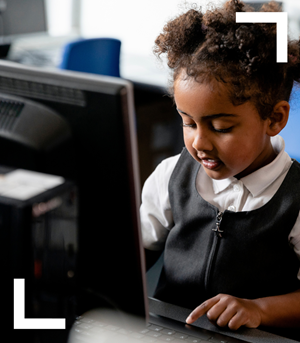 As educators it’s almost something we need to do for our own professional development, because if we know and understand AI and how it is going to react, we can then support learners too; particularly when they are overusing it, which we often see. We currently have a see-saw balance of some schools banning it, and some schools saying it’s absolutely fine; there is not much of a middle ground.
I think it’s important that EdTech shouldn’t be about budgets. Most of the schools in the world these days will have access to something like a Google education environment, a Microsoft education environment or maybe even just being able to use Canva for education, which has come on significantly through the past year. It’s important that we don’t think, ‘The only way I can use tech in my classroom is if it’s really expensive.’
I think we can do some incredible things that allow every single learner to be able to thrive and extend their learning.
Philippa Wraithmell is the founder of EdRuption and author of The Digital Ecosystem from Hachette Learning, as well as a Hachette Learning Academy digital course on digital fluency.
Hear from us
Curriculum changes. New materials. Price discounts and unmissable offers. We’ll make sure you don’t miss a thing with regular email updates, tailored by subject and age group.