Sign in for a more personalised experience
Unlock a more personalised experience to discover special offers, suggested products and more!
Sign inDon’t have an account? Click to sign up today!Ofsted’s Expectations of GCSE Revision Plans
You’ll not find a headline called “GCSE revision” in the latest Ofsted inspection framework, as it’s woven through almost everything inspectors look at. From curriculum design to learner wellbeing, revision tells a powerful story about how well learning sticks.
What does Ofsted say about GCSE revision?
GCSE revision connects directly to Ofsted’s priorities in:
- Curriculum and Teaching: ensuring learners remember knowledge and develop a deep understanding of their GCSE course material
- Leadership and Governance: shaping the planning, resourcing and professional development behind teaching and learning
- Behaviour and Attitudes (Attendance): building learners’ readiness to learn and resilience under pressure
- Inclusion: ensuring all learners, including disadvantaged and learners with SEND, can access and succeed
- Personal Development and Wellbeing: managing confidence, stress, and balance during high-pressure periods (like GCSE exams)
- Achievement: evidencing sustained progress over time, not just final GCSE results
Under the 2025 Operating Guide, inspectors consider how schools “enable pupils to know more, remember more, and do more.” GCSE revision is a key window into that process, combining curriculum design, teaching practice, and learner reflection.
Strong GCSE revision strategies aren’t last-minute fixes. Done right, they’re coherent, evidence-based plans showing what Ofsted calls curriculum continuity (where knowledge builds logically and retrieval is part of everyday learning).
Ofsted’s 3 Is and GCSE revision strategy
Ofsted’s 3 Is (Intent, Implementation, and Impact) remain central to the 2025 Inspection Toolkit and provide the structure for understanding what effective GCSE revision looks like in practice.
Intent: a clear, purposeful plan
Intent is the “why” behind your revision approach. Leaders should be able to explain how their plan supports long-term learning, inclusion, and wellbeing.
Using framework language, that means:
- Linking revision to curriculum aims and progression models
- Ensuring it is inclusive by design, meeting the needs of all learners
- Reflecting high expectations for every learner, not just those on grade boundaries
- Showing that revision is part of teaching and learning, not an extra burden on staff or learners to tick a box
Ofsted expects intent to be strategic and sustainable. Inspectors will look for consistency across subjects and for evidence that school leaders have considered workload, equity, and the quality of materials being used.
Implementation: what learning looks like in practice
Implementation focuses on how teaching, revision, and feedback happen in real settings, moving away from what good teaching looks like towards what good learning looks like.
Inspectors evaluate “how well teaching enables pupils to embed and use knowledge fluently.
That includes:
- Consistency of revision methods across subjects
- Use of retrieval, spaced repetition, and adaptive techniques
- How teachers identify and respond to misconceptions
- How learners are supported with independent study
Like Intent, implementation also considers teacher workload and professional development. Well-planned GCSE revision programmes should reflect smart systems, not stretched staff.
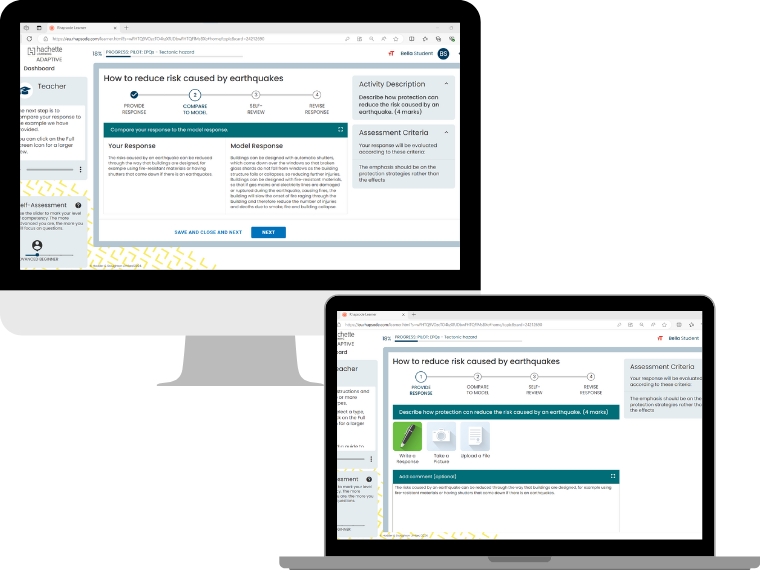
Adaptive learning platforms, like Adaptive Revise, can be valuable when they offer insight into progress and help teachers plan next steps effectively. The emphasis remains on purpose and evidence, not innovation for its own sake.
Impact: what’s changing because of it
Impact, in Ofsted’s words, is “the knowledge and skills that pupils gain.” It extends beyond GCSE exam results to indicators of understanding, confidence, and readiness for the next step in their learning journey.
Evidence of impact might include:
- Tracking of learner progress over time
- Cohort or subgroup analysis showing targeted progression
- Learners applying knowledge independently and confidently
- Evidence of sustained wellbeing and inclusion during high-pressure periods
For leadership teams, impact also means how well teachers use data to shape teaching and support.
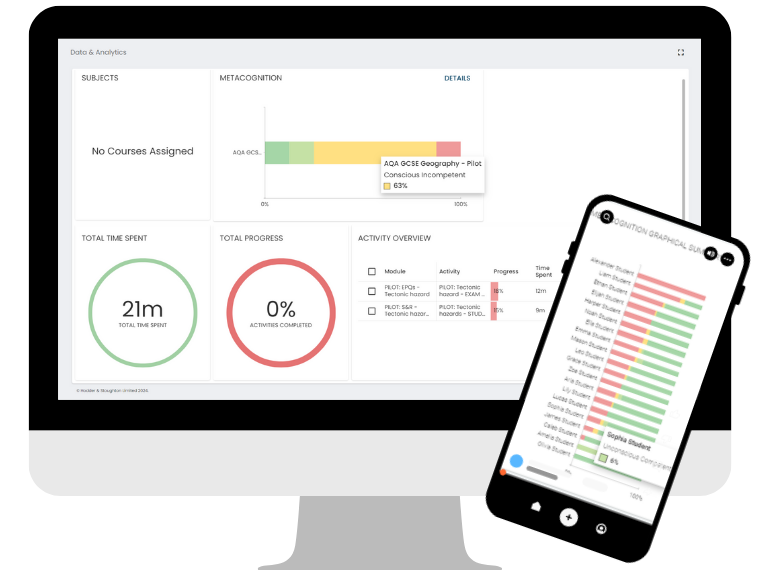
Moving beyond the historic data collection of what learners know, to using all high-quality GCSE data reports available to know how well they know a concept and where the gaps in understanding are.
Structured insight into GCSE content coverage, mastery learning, metacognition, and skill development gives schools a strong narrative of improvement. One that aligns with Ofsted’s focus on impact over output.
How Adaptive Revise aligns with Ofsted expectations
Adaptive Revise is an adaptive online revision solution that helps schools deliver structured, effective GCSE preparation through personalised learning.
It’s grounded in cognitive science and evidence-based research. An adaptive learning programme designed to make revision smarter, more consistent, and genuinely impactful.
The latest inspection framework makes clear that effective teaching and revision go hand in hand. Ofsted’s expectations centre on sustainable workload, consistent quality, and measurable learning.
Adaptive Revise helps schools evidence all three:
- Supports Intent: aligns every revision task to the exam board specification, ensuring full curriculum coverage and logical sequencing across the GCSE course. Leaders can show that revision is structured, inclusive, and purposeful.
- Strengthens Implementation: adaptive learning identifies what each learner knows, how well they know it, and where support is needed. Teachers gain insight into coverage, confidence, and skill development without additional marking.
- Demonstrates Impact: built-in reports on learner progress, metacognition, and engagement provide measurable evidence of improvement over time. Departments can plan interventions and show leadership teams where revision strategies are working.
- Encourages inclusion and Wellbeing: learners revise at their own pace with accessible content formats, and integrated reflection and mindfulness features promote healthy study habits.
- Reduces workload: automated feedback, live progress tracking, and data dashboards reduce admin, freeing teachers to focus on teaching.
Together, these features mirror the 3 Is model at the heart of Ofsted’s 2025 inspection approach.
For schools preparing to evidence their revision strategy, Adaptive Revise gives leaders and inspectors what they both value most: clear, reliable proof of what’s working, and why.
To learn how Adaptive Revise can help your school evidence progress and consistency, and transform your learners’ GCSE revision journey, speak to your local sales consultant here.
Written by Louise Jackson, Director of Chalkboard Content. Louise is an education copywriter with more than 10 years experience in teaching and senior leadership. She writes for Hachette UK’s education audience, translating real-life school challenges into clear, actionable guidance for teachers and leaders.
Hear from us
Curriculum changes. New materials. Price discounts and unmissable offers. We’ll make sure you don’t miss a thing with regular email updates, tailored by subject and age group.